BGC Report Details Global Illegal Gambling Market's Reach Into UK
Yara Coleman · Sep 10, 2026

BGC Report Details Global Illegal Gambling Market's Reach Into UK
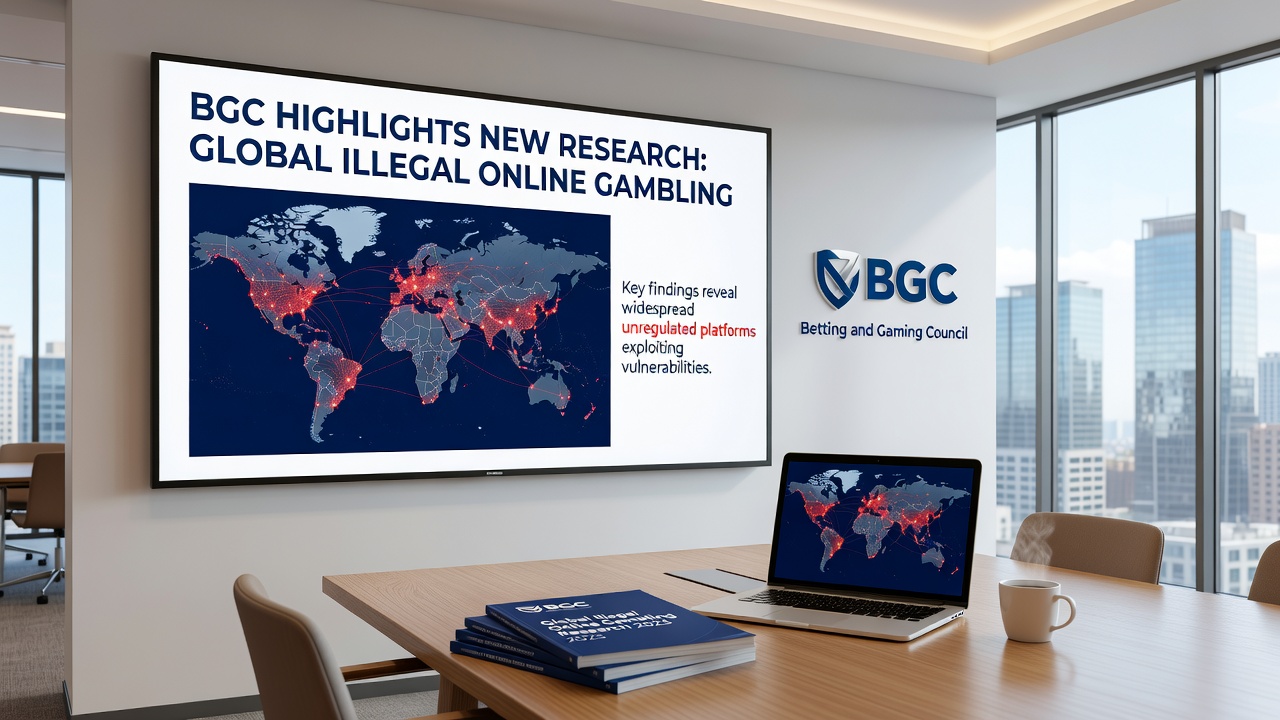
The Betting and Gaming Council released findings in September 2026 that placed the global illegal online gambling market at roughly $50 billion in gross revenue for 2025, with operators directing specific efforts toward UK consumers already registered with GAMSTOP. The data covers activity across 28 European markets and outlines how these platforms maintain operations through layered technical workarounds and payment channels. Researchers compiled the figures by tracking site activity, payment flows, and marketing patterns that continue despite existing blocks and self-exclusion tools.
Scale of Operations Identified in the Study
Analysts counted approximately 5,000 distinct illegal operator structures that together run more than 15,000 sites and apps. These entities generate revenue by accepting cryptocurrency for 35 percent of transactions, routing traffic through mirror sites that replicate blocked domains, and supplying VPN instructions to users. teh same structures employ targeted advertising that identifies and approaches individuals who have placed themselves on the GAMSTOP register, creating direct contact points that national blocks alone have not prevented. Figures reveal that payment providers and affiliate networks form the backbone that keeps these operations funded and visible to UK audiences.
Methods Operators Use to Maintain Access
Operators shift domains rapidly when regulators issue blocks, yet the underlying business models remain intact because affiliate marketers continue to promote the sites through social channels and search results. Cryptocurrency wallets allow instant transfers that avoid traditional banking filters, while mirror sites appear within hours of any takedown. VPN services bundled with the gambling apps further reduce the effectiveness of geo-blocking. Data from the report shows these combined tactics sustain steady revenue streams even in jurisdictions with mature regulatory frameworks. The Betting and Gaming Council noted that enforcement focused solely on domain seizures leaves the supporting payment and marketing layers untouched, allowing new sites to appear almost immediately.
CEO Grainne Hurst on Enforcement Priorities
Grainne Hurst, chief executive of the Betting and Gaming Council, stated that coordinated action against payment processors and affiliate partners offers a more durable response than repeated site blocks. She highlighted the exposure of vulnerable UK consumers who receive direct marketing despite their self-exclusion status. The council's position, presented in the September 2026 release, calls for regulators in multiple countries to share intelligence on the financial rails that move funds to and from illegal platforms. Hurst emphasized that the $50 billion figure reflects only detected revenue and likely understates the true scale once additional unlicensed operators are included.
Broader Implications for UK Consumer Protection
Self-excluded players in the UK remain reachable through the very marketing channels the report describes, which raises questions about the limits of current blocking regimes. The study documents how operators collect data on GAMSTOP registrants and then deliver tailored promotions via email, push notifications, and social media. Regulators have already observed repeat registrations from the same individuals who access illegal sites after initial blocks expire or get circumvented. Evidence gathered for the report indicates that disrupting affiliate payments and cryptocurrency on-ramps would reduce the economic incentive for operators to target UK users specifically.
Calls for Cross-Border Coordination
The Betting and Gaming Council urged governments to treat illegal gambling infrastructure as a shared enforcement target rather than a series of isolated national problems. Payment providers that process cryptocurrency or fiat transfers for unlicensed operators appear in multiple jurisdictions, which creates opportunities for joint action. Affiliate networks that earn commissions from referred UK traffic likewise operate across borders, making single-country enforcement less effective. The report recommends that financial regulators and gambling authorities align their monitoring systems so that repeated patterns in transaction data trigger earlier interventions.
Conclusion
The September 2026 findings from the Betting and Gaming Council provide a clear snapshot of how a $50 billion illegal market continues to operate and specifically courts UK self-excluded players through cryptocurrency, mirror sites, VPNs, and direct marketing. The estimate of 5,000 operator structures behind more than 15,000 sites underscores the volume of activity that persists despite existing blocks. Grainne Hurst's call for infrastructure-level disruption points to payment providers and affiliates as the next focus for coordinated regulatory work. Observers note that the data released this month supplies regulators with concrete figures to guide enforcement priorities across the 28 markets examined.